


There are a few reasons to use an alternate fingering on the french horn: 1. To make the note easier to play/center. This is why we use the trigger in the high and low registers. 2. To make the note more in-tune. Sometimes you are playing the third of the chord and will want to bring the pitch down.
FrenchHorn Fingering Chart – 45 Colorful Posters for Beginners
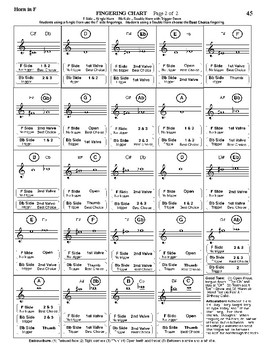
Horn Fingering Chart The first fingering listed in each column would be the most common and/or the most in tun most in tune. Every fingering may not work for you. * These notes can be played with virtually any fingering. The less tubing, the better. High F* E* 1 0, 1 0 0, 2 Middle C B 0, 23 2 0,13 2, 123 Eb* 2, 12 0, 2, 1 Bb 1 1 D* 1, 0 0, 2, 1
Source Image: teacherspayteachers.com
Download Image
Most French horn fingering charts will include the notes within the treble clef. Above the note, it will tell you the note name, such as F. Below the note, you will see a line of three circles, or you might see two lines of three circles each. The first line only uses three valves, so you can use those fingerings on any horn.

Source Image: pinterest.com
Download Image
French Horn Fingering Chart – Horn Solo – Digital Sheet Music | Sheet Music Plus Remember to choose the correct fingering chart for your instrument. If you have a double horn, remember that the top fingering corresponds to the F side, while the bottom fingering is for the Bb side (depress trigger/4th lever). Notice that a lot of notes on the horn have the same fingering. This adds difficulty to the instrument in that you

Source Image: amazon.com
Download Image
French Horn Fingering Charts
Remember to choose the correct fingering chart for your instrument. If you have a double horn, remember that the top fingering corresponds to the F side, while the bottom fingering is for the Bb side (depress trigger/4th lever). Notice that a lot of notes on the horn have the same fingering. This adds difficulty to the instrument in that you THIS INTERACTIVE CHART WILL PLAY THE CORRECT PITCH FOR YOU TO MATCH. This chart will use the double horn fingerings (as it incorporates both F and Bb sides). It is an advanced fingering chart that will include all notes from low C to high C — 3 full octaves. It is true that the horn can go lower by an octave, and higher too, but you can learn
Amazon.com – Music Treasures Co. French Horn Fingering Chart – Music Themed Gifts
Single F alto/Mellophone Fingering Chart. The fingerings for a single F-alto horn and mellophone are the same since they are essentially the same instrument with a different wrap and tapers.. Be aware that F alto horns (as well as descant and triple horns) are very sensitive to right-hand position, and a lazy or out-of-place right hand will cause major intonation inconsistencies on these Amazon.com: French Horn Fingering Chart: 45 Colorful Pictures for Beginners (Brass Fingering Charts): 9798831636291: Winter, Helen: Books

Source Image: amazon.com
Download Image
French Horn Fingering Chart | PDF Single F alto/Mellophone Fingering Chart. The fingerings for a single F-alto horn and mellophone are the same since they are essentially the same instrument with a different wrap and tapers.. Be aware that F alto horns (as well as descant and triple horns) are very sensitive to right-hand position, and a lazy or out-of-place right hand will cause major intonation inconsistencies on these

Source Image: scribd.com
Download Image
FrenchHorn Fingering Chart – 45 Colorful Posters for Beginners There are a few reasons to use an alternate fingering on the french horn: 1. To make the note easier to play/center. This is why we use the trigger in the high and low registers. 2. To make the note more in-tune. Sometimes you are playing the third of the chord and will want to bring the pitch down.

Source Image: intemenos.com
Download Image
French Horn Fingering Chart – Horn Solo – Digital Sheet Music | Sheet Music Plus Most French horn fingering charts will include the notes within the treble clef. Above the note, it will tell you the note name, such as F. Below the note, you will see a line of three circles, or you might see two lines of three circles each. The first line only uses three valves, so you can use those fingerings on any horn.

Source Image: sheetmusicplus.com
Download Image
Amazon.com: French Horn Fingering Chart: 45 Colorful Pictures for Beginners (Brass Fingering Charts): 9798831636291: Winter, Helen: Books The French horn makes a hugely expressive sound and can play over a wide range. Its huge tone has the ability to blend yet also sound heroic. It is a transposing instrument that is most commonly in the key of F. This means the note sounds a fifth lower than the note written. For example, if the horn plays a C, it will sound the note F in

Source Image: amazon.com
Download Image
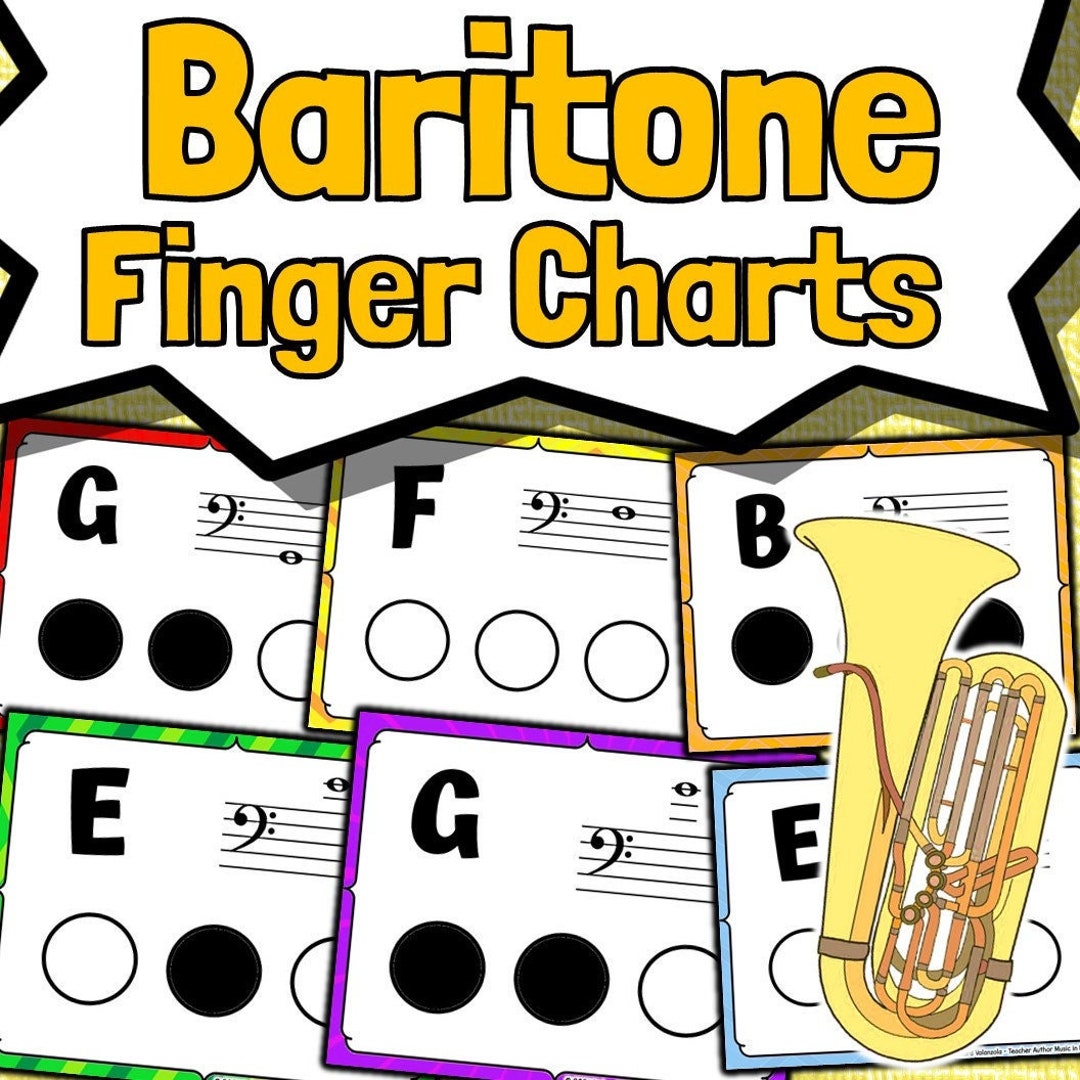
Baritone Horn Fingering Chart Posters – Etsy Remember to choose the correct fingering chart for your instrument. If you have a double horn, remember that the top fingering corresponds to the F side, while the bottom fingering is for the Bb side (depress trigger/4th lever). Notice that a lot of notes on the horn have the same fingering. This adds difficulty to the instrument in that you
Source Image: etsy.com
Download Image
FrenchHorn Fingering Chart – 45 Colorful Posters for Beginners THIS INTERACTIVE CHART WILL PLAY THE CORRECT PITCH FOR YOU TO MATCH. This chart will use the double horn fingerings (as it incorporates both F and Bb sides). It is an advanced fingering chart that will include all notes from low C to high C — 3 full octaves. It is true that the horn can go lower by an octave, and higher too, but you can learn

Source Image: intemenos.com
Download Image
French Horn Fingering Chart | PDF
FrenchHorn Fingering Chart – 45 Colorful Posters for Beginners Horn Fingering Chart The first fingering listed in each column would be the most common and/or the most in tun most in tune. Every fingering may not work for you. * These notes can be played with virtually any fingering. The less tubing, the better. High F* E* 1 0, 1 0 0, 2 Middle C B 0, 23 2 0,13 2, 123 Eb* 2, 12 0, 2, 1 Bb 1 1 D* 1, 0 0, 2, 1
French Horn Fingering Chart – Horn Solo – Digital Sheet Music | Sheet Music Plus Baritone Horn Fingering Chart Posters – Etsy The French horn makes a hugely expressive sound and can play over a wide range. Its huge tone has the ability to blend yet also sound heroic. It is a transposing instrument that is most commonly in the key of F. This means the note sounds a fifth lower than the note written. For example, if the horn plays a C, it will sound the note F in
